Understanding Roof Coatings for Florida Homes
What a Roof Coating Can Do for Your Home
A roof is your home's first line of defense against sun, rain, and wind. Over time, exposure to the elements takes a toll. Cracks develop, granules wear away, and the surface becomes less effective at shedding water. Many homeowners in Northern Florida wonder whether a roof coating can help extend the life of an existing roof without the expense of a full replacement. The answer depends on the roof's condition, the type of coating, and the local climate.
Before considering any coating, it is important to understand what a roof coating is and what it is not. A roof coating is a liquid-applied membrane that cures into a flexible, protective layer. It is not a repair for structural damage or a substitute for proper maintenance. Think of it as a sealant and a sunscreen combined. It can stop minor leaks, reflect sunlight, and slow the aging process of the underlying material. But it works best on roofs that are still in good shape, with no major leaks, rot, or sagging.
How Roof Coatings Work
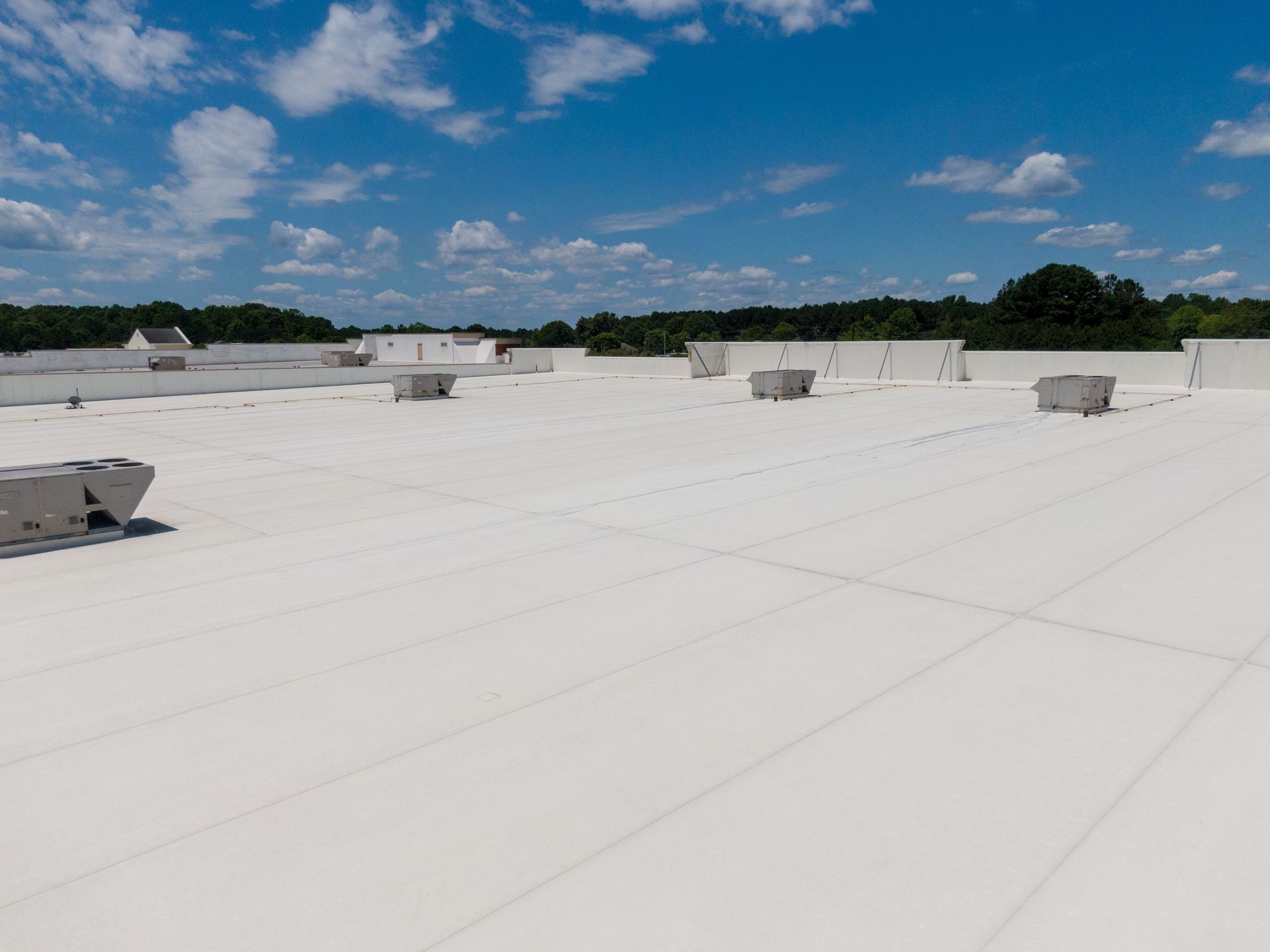
Most roof coatings are based on acrylic, silicone, or elastomeric polymers. Each type has strengths and weaknesses. Acrylic roof coatings are water-based, easy to apply, and offer good UV resistance. They are often used on metal roofs and some types of single-ply membranes. Silicone roof coatings are more flexible and handle ponding water better. They work well on flat or low-slope roofs where water may sit for a day or two after rain. Elastomeric coatings are thick, rubbery films that stretch and contract with temperature changes. They are popular on flat roofs and on roofs with many seams or penetrations.
All of these coatings form a continuous barrier. They bridge small cracks and seal around flashings, vents, and pipes. The best ones also reflect a high percentage of solar radiation, which lowers the roof's surface temperature by a significant margin. That can reduce cooling costs during Florida's long, hot summers. But reflectivity fades over time as dirt accumulates and the coating weathers. Some coatings are formulated to stay cleaner longer, but no coating stays white forever.
Is a Roof Coating Right for Your Roof?
The decision to apply a roof coating depends on the roof's age, material, and current condition. For a roof that is still in decent shape but showing signs of wear, a coating can add several years of service life. For a roof that is near the end of its life, a coating is often a temporary fix at best. The cost of the coating and labor may not be worth it if the roof needs replacement soon anyway.
Another factor is the roof's slope. Steep-slope roofs drain quickly and see less standing water. They can use a wider range of coatings. Low-slope roofs, common on commercial buildings and some Florida homes, need a coating that can handle water pooling. Silicone and elastomeric coatings are better choices there. The roof's material also matters. Asphalt shingles, metal panels, concrete tiles, and single-ply membranes each require a compatible coating. Using the wrong type can cause adhesion failure or chemical damage.
Preparing the Roof Surface
Application is only as good as the preparation. A roof coating will not stick to dirt, moss, or loose granules. The surface must be clean and dry. Power washing is the usual method, but it must be done carefully to avoid driving water under shingles or into seams. After cleaning, any cracks, holes, or gaps larger than a hairline should be patched with a compatible sealant or repair compound. The roof must be fully dry before the coating goes on, which can be tricky during Florida's humid summer months.
Some contractors apply a primer before the coating. Primers improve adhesion and help the coating flow evenly. They are especially useful on porous surfaces like concrete or old asphalt shingles. Skipping this step can lead to peeling or blistering later. The coating itself is usually applied in two coats, with a drying period between them. The total thickness after curing should be consistent across the entire surface. Thin spots are prone to cracking, while thick spots may take too long to dry.
Lifespan and Maintenance
A well-applied roof coating can last anywhere from five to ten years, depending on the product, the climate, and the amount of foot traffic on the roof. Florida's intense sun and frequent storms shorten that range for most coatings. UV radiation breaks down the binder over time, making the coating brittle. Heavy rain and wind-driven debris can abrade the surface. Checking the roof once a year and after major storms is a good habit. Look for blisters, cracks, or areas where the coating has worn thin. Touch up those spots promptly to prevent water from getting underneath.

One thing to watch for is ponding water. Even a coating that is rated for standing water will degrade faster if water sits for weeks at a time. Improving drainage by clearing gutters and adjusting low spots can extend the coating's life. Another consideration is the coating's effect on future repairs. Once a coating is applied, removing it to access the original roof is labor-intensive. If you plan to add solar panels or other equipment later, factor that into the decision.
The phrase "roof coating" often comes up in discussions about energy savings. A reflective coating can lower the roof's temperature, which reduces the heat that enters the attic. That can make the living spaces below more comfortable and reduce the load on air conditioning. However, the actual savings depend on the home's insulation, the attic ventilation, and the local climate. In Northern Florida, where summer temperatures are high, the benefit is real but not huge. The primary value of a roof coating is protection, not energy savings.
Florida Building Code and Coatings
Florida's building code includes requirements for roof coverings, especially in high-wind areas. Any roof coating used on a home must meet the code's standards for impact resistance and wind uplift. Most reputable products are tested and rated for these conditions. When hiring a contractor, ask whether the coating they plan to use complies with the local code. A coating that is not rated for Florida's wind speeds could fail during a hurricane, leaving the roof exposed. The same goes for the adhesive or mechanical fasteners used to secure the coating.
Another code issue is fire rating. Some coatings are classified as Class A, meaning they have a high resistance to fire spread. Others are Class B or C. For homes in wildfire-prone areas, a Class A coating may be required. Check with your local building department or a qualified roofer to confirm the requirements. The coating itself is only one part of the roof assembly. The deck, underlayment, and flashings all play a role in the roof's overall performance.
Common Mistakes to Avoid
Applying a roof coating is not a DIY project for most homeowners. The surface must be perfectly clean, the weather must cooperate, and the coating must be applied at the right thickness. Many homeowners make the mistake of applying a coating over a dirty or damp roof. The coating peels off within a year, wasting time and money. Another common error is using a coating that is not compatible with the roof material. For example, some acrylic coatings do not bond well to silicone-treated surfaces. Always check the manufacturer's recommendations.
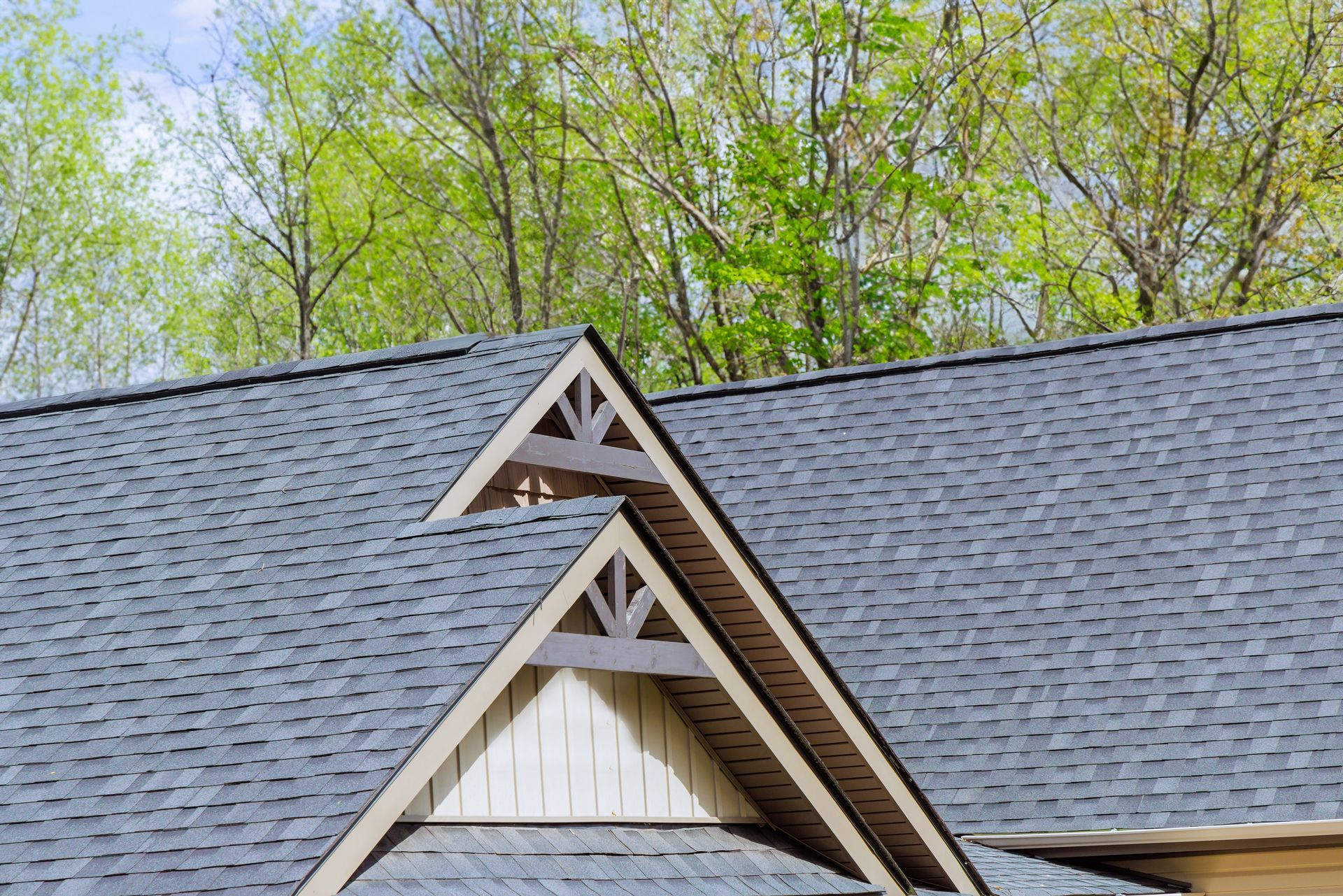
Another pitfall is ignoring the roof's structure. A coating cannot fix a roof that is sagging or has rotted decking. The underlying issue must be repaired first. If the roof has multiple layers of old shingles, adding a coating may trap moisture and accelerate decay. In those cases, a tear-off and replacement is the better choice. A good contractor will inspect the roof thoroughly before recommending a coating. If they push a coating without looking at the roof's condition, that is a red flag.
Final Thoughts
A roof coating can be a practical way to extend the life of a roof that is still in good condition. It provides a seamless, reflective barrier that seals minor gaps and reduces heat absorption. But it is not a miracle cure. It requires careful preparation, the right product, and proper application. For homeowners in Northern Florida, the climate adds urgency to the decision. The intense sun and frequent storms mean that any coating must be chosen and installed with care. Working with a roofer who understands local conditions and building codes is the best way to ensure a lasting result.